Sleep Tourism, Digital Detox & Nature‑Rhythm Travel: The Quiet Revolution in 2026

In 2026, travel and wellness are evolving again — this time toward rest, restoration, and reconnection with our natural rhythms. As overstimulation, burnout, and digital fatigue rise globally, the demand for calm — sleep optimization, digital detox, nature immersion — is accelerating. The new frontier of wellness travel is not adrenaline or luxury spectacle but quiet, regeneration, and deep rest.  

Why Sleep, Silence & “Calm‑cation” Are Trending Up  

  • Sleep tourism is booming. More travelers are consciously seeking vacations designed to improve rest, reset circadian rhythms, and restore vitality. Resorts and retreats are offering dedicated “sleep suites,” circadian lighting, blackout therapy, and renewable rest‑focused programming as part of stay packages.

  • Digital detox and “calm‑cations” are on the rise. People are craving time away from screens, constant notifications, and urban noise. Silence, stillness, and nature‑immersive getaways are becoming as coveted as beaches or nightlife.

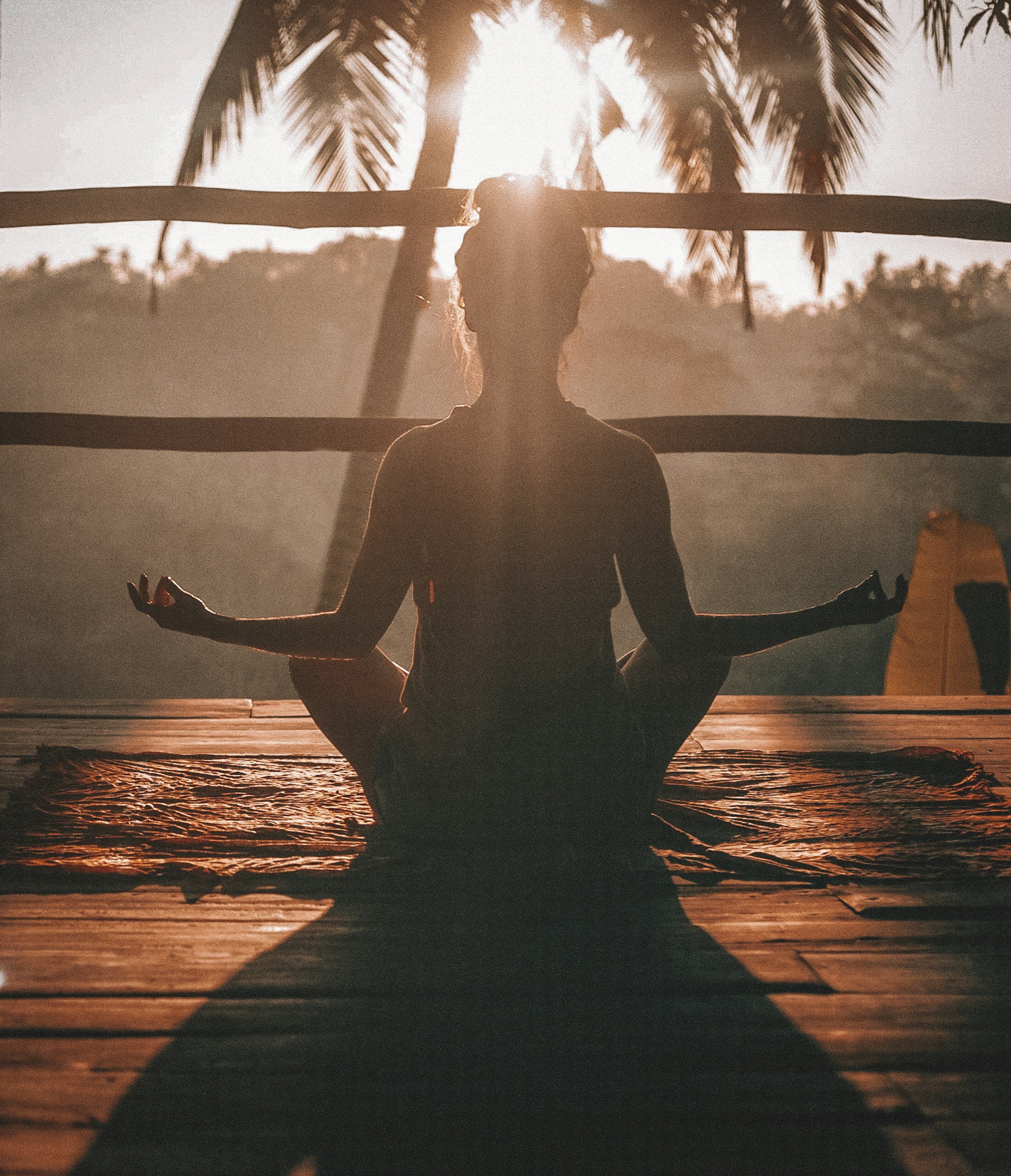
  • Nature rhythm & seasonal travel are resurging. Rather than racing from destination to destination, travelers are slowing down — aligning holidays with seasons, lunar cycles, or natural rhythms. Forest‑bathing, moon‑lit meditations, star‑bathing, and slow immersive travel are defining a conscious approach to journeying.

  • Wellness travel is becoming holistic, not episodic. Instead of short spa breaks, travelers are seeking integrated experiences that reset mind, body and nervous system — from sleep and diet to sensory immersion and emotional balance.  

What This Means for Travelers & Wellness‑Forward Brands  

For travelers: the new luxury isn’t about opulence — it’s about renewal. A peaceful night’s sleep, a tech‑free forest walk, a sound bath under the stars are more deeply restorative than any pampering treatment ever was.

For hospitality and wellness brands: a huge opportunity is emerging to design “rest‑focused retreats, calm‑cations and sleep‑optimized stays.” Resorts and clubs that integrate circadian‑aware lighting, sensory design, sleep‑friendly architecture, and digital‑detox programs will lead the next wave of wellness travel.  

For urban life and long-term wellbeing: this trend signals a societal yearning to slow down, reconnect with nature, recalibrate rhythms — to live in alignment again. 

How Wellness Spaces Should Adapt and How We Help

  • Design accommodations and retreats with sleep optimization in mind: circadian lighting, blackout rooms, morning-to-night rhythm programming, restful architecture.  

  • Offer digital‑detox packages: screen‑free zones, nature immersion, guided forest‑bathing, star‑gazing, sound‑and‑silence ceremonies.  

  • Integrate holistic rest & restoration rituals: from forest bathing to moon‑phase meditations to sensory‑detox days.  

  • Promote wellness as lifestyle, not vacation: encourage guests to adopt rhythm, rest, presence inside the retreat and beyond.

  • As a wellness strategist and experience designer, we help brands envision, design, and implement these next‑generation wellness models — where sleep, silence, nature and human rhythm become the foundation of luxury.  
Healing Spaces: How Sensory Architecture and Neuro‑Wellness Are Redefining Luxury & Well‑Being

In 2025–2026, we’re witnessing a quiet revolution: wellness is evolving beyond spas and programs, it’s becoming embedded in the very spaces we occupy. As more research and trend‑forecasting show, the design of our environments down to sound, light, texture, and spatial flow all deeply affects our mental, emotional, and physical well‑being.

Why Sensory Design + Neuro‑Wellness Matters Now

  • Spaces affect physiology and emotion. Modern research confirms that “healing spaces” environments intentionally designed with multisensory, natural, and human‑centered architecture help regulate mood, reduce stress, and support emotional healing.

  • Assess existing spaces for sensory and neuro‑wellness potential: lighting, materials, acoustics, flow.  

  • Engage with designers/architects skilled in sensory architecture, neuro‑design, and healing‑space principles.  

  • Build wellness‑driven rituals into the spatial offering not as extras, but core features (saunas, sound baths, contrast therapy, nature immersion, sensory‑rest rooms).  

  • Target inclusive wellness and make sure spaces are accessible, welcoming, and beneficial across age, ability, and lifestyle.  

  • Combine physical space with community experiences. Healing environments + social connection + ritual = deep wellness culture.  

Why This Is the Future of Luxury, Wellness & Hospitality

1. Holistic well‑being as lifestyle, not luxury add‑on. As people grow more conscious about their internal state, meaning, and presence, they demand environments that support ongoing wellness — not just occasional indulgence.  

2. Inclusive appeal across demographics. Healing/sensory spaces benefit everyone — from stressed city‑dwellers and travelers to older adults, neurodiverse individuals, and families seeking calm, safety, and emotional balance.

3. Long-term value for brands. Hotels, resorts, real‑estate developments, wellness hubs, and social‑club‑style experiences that embed sensory architecture offer differentiation, emotional loyalty, and deeper guest satisfaction.  

4. Wellness as infrastructure. Wellness isn’t merely a service — it becomes the architecture of living: in homes, hotels, retreats, workplaces, and public spaces. “Healing by design” becomes a foundational principle.  

Healing and wellness‑driven spaces combine multiple design elements to create resonance with human biology and psyche:

  • Sound & silence: Using acoustically balanced design, natural or biophilic soundscapes (water, wind, natural ambient noise), sound‑absorbing materials — to calm the nervous system and reduce stress.

  • Light & atmosphere: Soft, natural or carefully tuned lighting, daylight cycles, circadian‑friendly illumination to support sleep, mood, and circadian rhythms.

  • Natural materials & biophilia: Incorporating wood, stone, plants, water, earthy textures — creating a sense of grounding, connection with nature, and sensory richness.  

  • Flow, space & rhythm: Designing layouts that feel human, intuitive, and calming — not cramped, harsh, or overstimulating. Spaces that breathe, allow ease, and prioritize comfort over clutter.

  • Sensory‑integrative rituals: Embedding experiences like breathwork, thermal rituals (sauna + cold plunge), meditation, sensory baths, quiet reflection — enabling mind‑body‑environment alignment.

In 2026 and beyond, luxury will live in the way spaces make us feel, not just how they look. As we navigate a world of digital overload, stress, and disconnection, healing environments — thoughtfully designed, sensory‑rich, human‑centered — will be the lodestars for what it means to be well, whole, and alive.  

If you’re ready to reimagine spaces in hospitality, work, home or travel that serve as vessels of healing and presence, the tools and the moment are here.

Designing for Stillness: Why Offline Spaces Are the New Luxury

As digital life accelerates, our nervous systems are quietly overwhelmed. We scroll, swipe, and respond yet long for something deeper: stillness.

In a world obsessed with productivity and stimulation, stillness has become a radical luxury. And forward-thinking wellness brands and hospitality spaces are finally listening.

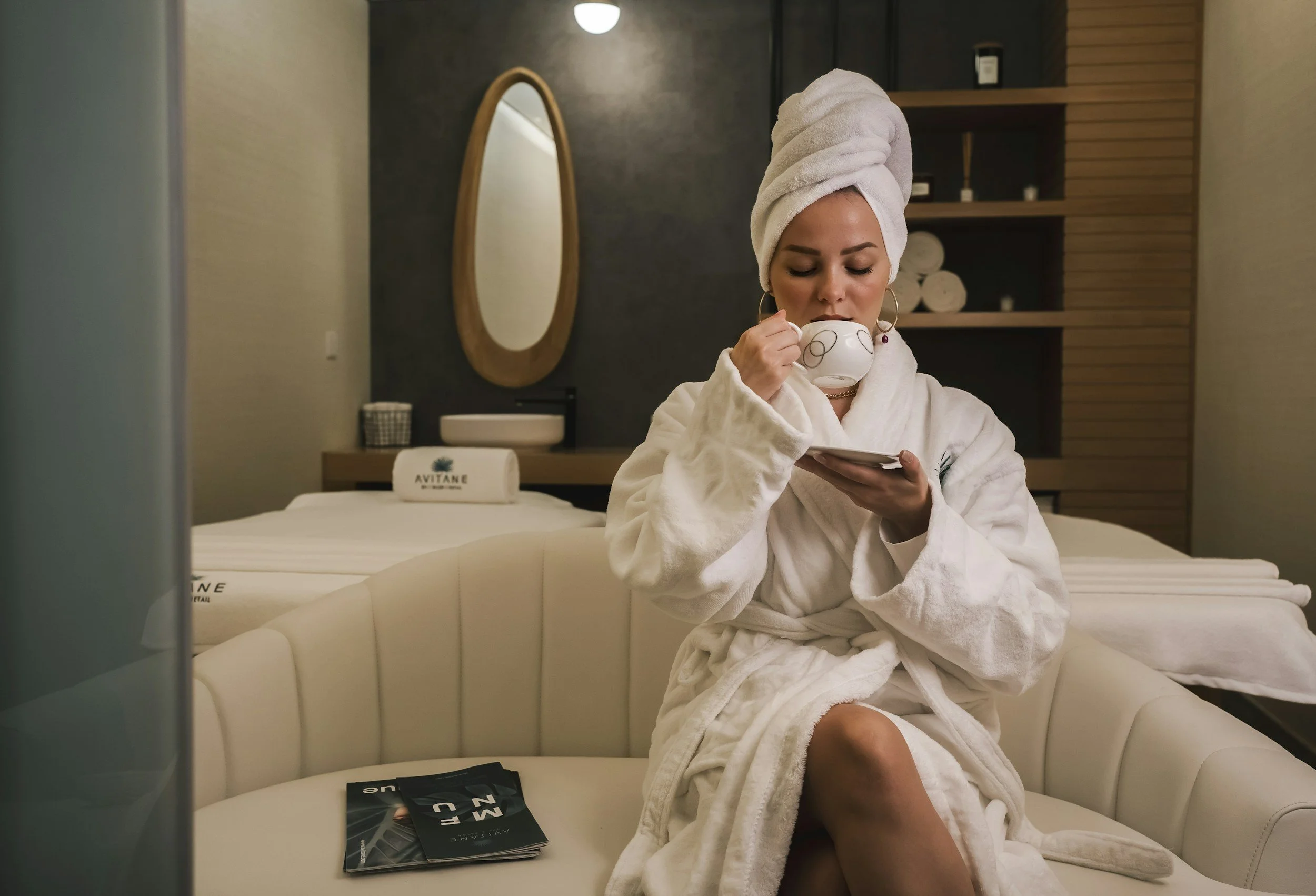
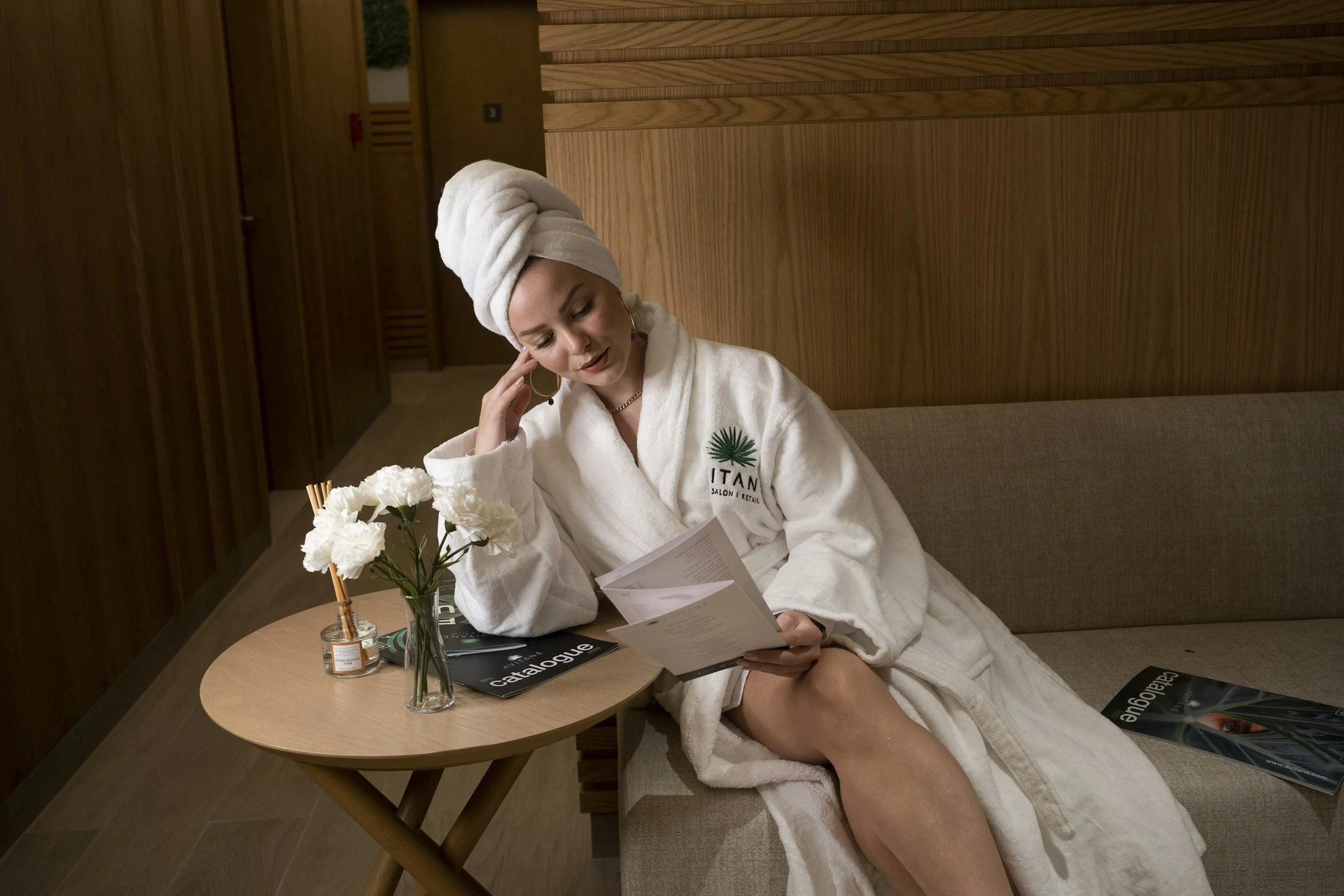
Offline spaces—spa sanctuaries, sensory rooms, breathwork lounges, and tech-free retreats—are emerging as the new frontier of high-end wellness. These environments aren’t just aesthetically beautiful; they’re neurologically nourishing. They offer refuge for the senses and regulate the rhythms of the body and mind.

We’re now seeing spatial design evolve into a tool for healing by using light, texture, silence, scent, and sound to create coherence. These aren’t just places you visit. They’re atmospheres you feel. Experiences that slow the breath, quiet the mind, and invite presence.

This is the new competitive advantage: spaces that help people feel like themselves again.

Designing for stillness is not about removing stimulation—it’s about replacing it with meaningful sensory depth. It’s about building spaces where emotions land, rituals matter, and the pace invites remembrance.

Because in the luxury wellness space, presence is the rarest form of wealth—and stillness, the most coveted experience of all.

Purposeful Luxury – Why Wellness Is the New Measure of Wealth

In a world that’s constantly accelerating, a profound redefinition of luxury is underway. The next generation of travelers, leaders, and visionaries aren’t chasing possessions—they’re pursuing presence, peace, and personal power. 

Welcome to the era of Purposeful Luxury, where wellness isn’t a weekend indulgence but a way of life, and where the true markers of wealth are time, vitality, and spaciousness.

Gone are the days when five-star meant only marble lobbies and thread counts. Today, luxury means spaces that help you regulate your nervous system. It means curated stillness, unhurried rituals, slow meals, clean air, deep rest, and moments that reconnect you to your essence.

It’s the silence of a spa ritual, the spaciousness of a tech-free retreat, the glow of candlelit meditation, the gentle joy of movement that feels like nourishment. It’s being surrounded by beauty. Not for vanity, but for emotional resonance.

This shift isn’t aesthetic, t’s neurological. The global rise in anxiety, burnout, and disconnection has created an urgent need for luxury with depth. We crave places that are regenerative, emotionally intelligent, and rooted in meaning.

For wellness and hospitality brands, this is the invitation: to design with soul, to offer transformation—not just service. The next generation of luxury is personal, intentional, and profoundly alive.

Because in the end, well-being is the most exquisite form of wealth we can cultivate.


The Rise of Neuro-Wellness and Sensory Architecture in Luxury Wellness

As the global wellness movement evolves, we are witnessing a profound shift, one that moves beyond aesthetics and amenities into the realm of how spaces make us feel at the deepest level.

Neuro-Wellness and Sensory Architecture: the next frontier of intentional design and holistic wellbeing. 

Today’s discerning travelers and wellness seekers are no longer satisfied with superficial luxury. They are craving environments that restore their nervous systems, sharpen their emotional intelligence, and foster true presence. We’re moving beyond relaxation into regulation. 

Neuro-Wellness is the practice of designing experiences and environments that intentionally support brain-body harmony. It considers how breathwork, light, sound, texture, movement, and emotional safety can be woven into everything from hotel lobbies to spa rituals to immersive retreats.

Sensory Architecture goes hand-in-hand—creating spaces that are alive with meaning, not just beauty. Think: organic materials, calming color palettes, intentional scent, soundscapes, tactile fabrics, and flow that supports emotional ease and embodied clarity.

Incorporating these elements transforms a space into a sanctuary. Whether in airports, boutique hotels, private clubs, or wellness retreats, this is how we create atmospheres that heal—and that linger in memory long after checkout.

For conscious brands, this is not a trend. It’s a transformational opportunity. It’s time to design not just for looks—but for nervous system impact. 

The future of wellness is not just what we offer, but how we offer it—through spaces that feel like a deep exhale.

If you’re curious how to build or transform a space, brand, or experience around this new paradigm I’d love to connect.


Designing Emotional Infrastructure: How Wellness Spaces Build Brand Loyalty

In a world saturated with digital noise, brands that invest in emotional infrastructure with spaces and experiences that nurture presence, connection, and well-being—are gaining a distinct competitive edge. Emotional infrastructure is about designing environments where guests or employees feel seen, supported, and transformed.

What makes emotional infrastructure so powerful?

Building emotional infrastructure requires a multidisciplinary approach of blending neuroscience, design, hospitality, and culture. As a consultant, I help brands identify their unique wellness story, choreograph immersive atmospheres, and deliver transformative experiences that elevate both guest and employee well-being.

In the future of work and travel, presence will define success, not productivity. Investing in emotional infrastructure is investing in long-term brand loyalty and cultural vitality. It taps into the neuroscience of human connection. Real-time sensory experiences through sound, touch, movement, silence will regulate the nervous system and build lasting emotional resonance. This deepens loyalty, improves mood, and creates memorable moments tied to your brand.

Across industries, from luxury hotels to airports and corporate offices, wellness is no longer a vertical; it’s a transversal strategy integrated into every touchpoint. Breathwork sessions in meetings, adaptogen cocktails in lounges, and sensory rooms for digital detox are becoming standard.

Examples of success:

  • Boutique hotels creating wellness residencies with curated rituals and community dinners  

  • Airports offering sensory lounges for nervous system regulation and relaxation between flights  

  • Corporations designing somatic-led team innovations to boost creativity and reduce burnout  

How to begin?

  • Assess existing spaces for sensory and emotional opportunities  

  • Develop signature rituals and immersive formats that align with your brand values  

  • Train teams on somatic awareness and nervous system science  

  • Collaborate with wellness experts to design multi-layered, meaningful experiences  

The Value of Consulting

Building emotional infrastructure requires a multidisciplinary approach by blending neuroscience, design, hospitality, and culture. Our boutique consulting firm helps brands identify their unique wellness story, choreograph immersive atmospheres, and deliver transformative experiences that elevate both guest and employee well-being.

Breath, Contrast & Analog Living: Why 2026’s Wellness Travel is Rewilding Our Senses

As the pace of modern life accelerates, 2026 is shaping up as the year travelers and conscious brands rekindle a more natural, sensory way of living. Wellness travel is evolving beyond massages and facials. It’s becoming a full‑body, multi‑sensory immersion that reconnects us to our biology, the rhythms of nature, and the deep instinct to belong and breathe. 

The Rise of Breathwork, Contrast Therapy & Analog Rituals. 

According to recent industry reporting, one of the biggest shifts this year is a return to analog living — a turn away from screens, apps, and over-optimization, and toward ritual, presence, and human rhythm.  

Here are the core elements reshaping wellness travel in 2026:

  • Breath as medicine: Breathwork is rising in popularity. Resorts and retreats are weaving guided breath‑work sessions into their wellness menus, emphasizing its benefits not only for stress reduction but for mental clarity, emotional regulation, and nervous‑system balance.

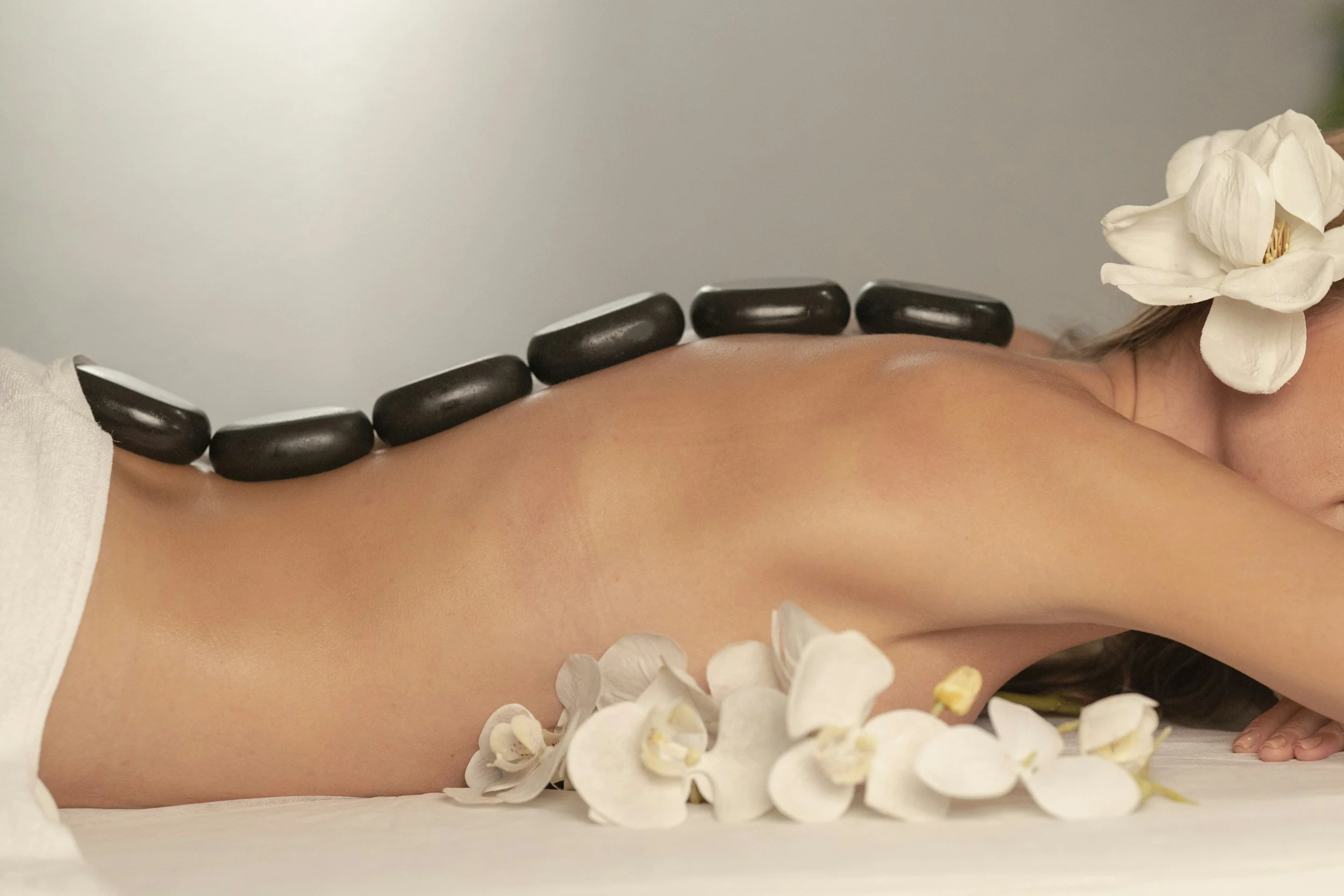
  • Contrast therapy & hydrothermal rituals: Heat and cold cycles via saunas, steam rooms, and cold plunges are being reframed not as optional spa add‑ons, but as central healing rituals. This “thermal archetype” supports circulation, resets the nervous system, detoxifies, and anchors the body’s innate healing rhythms.

  • Nature, rhythm & seasonal awareness: As travel becomes more intentional, people are drawn to retreats and experiences that honor natural rhythms with seasonal changes, circadian cycles, moon phases while integrating slow living practices, outdoor rituals, and environmental attunement.   

  • From app‑based wellness to embodied experience: 2026 marks a shift away from screen‑based wellness — wearable trackers, biohacks, digital diagnostics — toward embodied, sensory, presence‑based rituals: breath work, dark retreats, silent retreats, moon ceremonies, star‑bathing, and analog living.    

  • Holistic wellness as lifestyle, not escape: Travelers now seek vacations that don’t just pause their lives — they reset them. Wellness travel is becoming less about “treatments” and more about lifestyle design: nutrition, movement, rest, ritual, community, creativity, and emotional health woven together. 

And it’s not just anecdotal — the data shows a major industry shift. The global wellness economy recently reached a peak of US $6.8 trillion (2024), growing rapidly year over year.   

What This Means for Travelers, Brands, and the Future of Wellness  

For travelers: 2026 is your permission slip — to unplug, to slow down, to reconnect with your breath, your body, and the natural world. Wellness is no longer a weekend indulgence; it’s a living rhythm, a way to travel that nourishes body, mind, and soul.  

For brands and hospitality: The next generation of guests aren’t looking for typical spa extras. They’re seeking ritual spaces, sensory design, and embodied experience. Resorts, hotels, and wellness businesses that marry nature, ritual, and science will lead.  

For cultural wellness: Analog living, breathwork, contrast therapy, and sensory immersion may become the default currency of health. As digital fatigue rises, people will value real‑time presence, embodied awareness, and holistic rejuvenation more than ever.  

How You Can Integrate These Trends  

  • Embed breathwork and contrast‑therapy rituals into offerings (sauna + cold‑plunge circuits, guided breath sessions, thermal suites).

  • Design environments for sensory reset with natural materials, water, darkness, light transitions, stillness zones, nature access.  

  • Offer seasonal, lunar, and nature‑aligned programs with full‑moon ceremonies, star‑bathing evenings, forest or nature immersion days, dark‑retreat nights. 

  • Promote wellness as a way of life by integrating nutrition, movement, rest, creativity, community, and emotional regulation into hospitality and travel experiences. 

  • Engage guests as co‑creators by provide flexible, personalized wellness options, from sober social hours to mindfulness lounges, to conscious nightlife with rhythm and ritual.

Why Experiential Wellness is the Next Frontier in Luxury Hospitality

Why Experiential Wellness is the Next Frontier in Luxury Hospitality

In today’s world, luxury is evolving beyond opulent decor and high-end amenities. The future of luxury hospitality lies in experiential wellness, immersive environments that nurture the mind, body, and spirit, creating deep emotional connections that guests remember long after their stay.

Why this shift?

Modern travelers crave more than just relaxation; they seek meaningful experiences that restore presence, promote well-being, and foster authentic connection. Neuroscience confirms that sensory-rich environments that incorporate sound, light, movement, and touch help regulate the nervous system and enhance emotional resilience. These spaces become sanctuaries from the overstimulated, digital world we live in.

Leading brands like Six Senses and Scorpios in Mykonos are redefining wellness by blending spa rituals with social, musical, and sensory experiences. The result is not just rejuvenation but transformation and wellness as a lifestyle, not a moment.

How can hotels and resorts start? 

Design multi-sensory spaces that engage all senses, from sound baths to light therapy. It taps into the neuroscience of human connection. Real-time sensory experiences through sound, touch, movement, silence can help regulate the nervous system and build lasting emotional resonance. This deepens loyalty, improves mood, and creates memorable moments tied to your brand.

Across industries—from luxury hotels to airports and corporate offices—wellness is no longer a vertical; it’s a transversal strategy integrated into every touchpoint. Breathwork sessions in meetings, adaptogen cocktails in lounges, and sensory rooms for digital detox are becoming standard.

Examples of success: 

  • Boutique hotels creating wellness residencies with curated rituals and community dinners  

  • Airports offering sensory lounges for nervous system regulation and relaxation between flights  

  • Corporations designing somatic-led team innovations to boost creativity and reduce burnout  

How to begin?

  • Assess existing spaces for sensory and emotional opportunities  

  • Develop signature rituals and immersive formats that align with your brand values  

  • Train teams on somatic awareness and nervous system science  

  • Collaborate with wellness experts to design multi-layered, meaningful experiences  

  • Create communal experiences around rituals like breathwork, full moon ceremonies, or slow dining  

  • Integrate technology that supports nervous system regulation, like red light therapy or guided meditation apps  

  • Curate events that balance wellness with fun—think dance parties, creative workshops, and sober social hours  

Why partner with us

Launching immersive wellness requires expertise in neuroscience, design, hospitality, and marketing. 

Our consulting firm can help you weave these elements into your brand story, elevate guest experience, and unlock new revenue streams through wellness residencies, signature events, and product lines.

The next frontier of luxury hospitality isn’t about adding more—it’s about crafting spaces that truly matter.