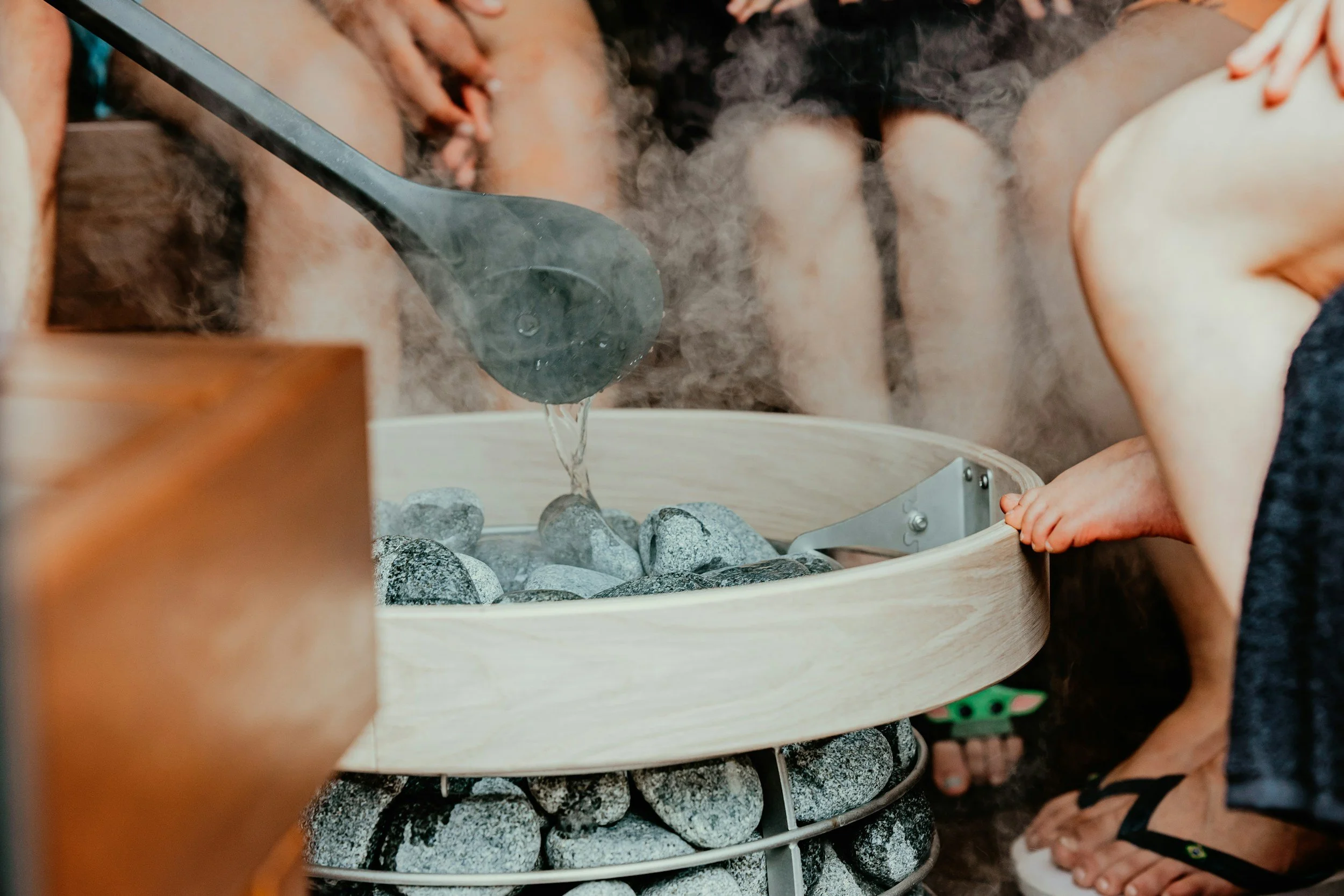
As wellness travel evolves, one of the most striking — and social — shifts is the resurgence of bathhouses, saunas, and communal “sweat‑spaces” as the new hubs for health, connection, and transformation. The trend is no longer niche: in 2025–2026, communal sauna rituals and bathhouse‑style wellness are becoming central to how people travel, socialize, and heal.
Why Saunas & Bathhouses Are Back (and Better Than Ever)
From isolation to community: The traditional image of a sauna session as a private “me‑time” ritual is giving way to collective, social experiences — from “aufguss” heat‑rituals to group steam & sound baths, DJ‑led sauna nights, and shared cold‑plunge cycles. As one trend‑forecast puts it, bathhouses have become “the latest social‑wellness hubs.”
It integrates ritual, rhythm, and transformation — from the rise of “nighttime wellness” (full‑moon meditations, stargazing + steam, post‑work reset baths) to more ancient bathing traditions revived for modern wellness seekers.
It transcends “spa as luxury add-on” — bathhouses become living architectures of wellness: social, sensory, restorative, and deeply human.
What Brands & Wellness Innovators Should Do Next
If you operate in hospitality, wellness, real estate, or corporate wellness — here are a few concrete next‑steps to align with this trend:
1. Reimagine your spa or wellness offering — build or retrofit bathhouse/sauna + contrast‑therapy + wellness social lounge formats instead of traditional day spas.
2. Design rituals, not services — schedule “sweat + sound bath nights,” full‑moon soak sessions, guided breathwork + ice plunge therapies, integrating scent, music, light, and water.
3. Create inclusive community‑based wellness memberships — offer recurring sauna clubs, social wellness events, multi‑generational access so it’s not just a transient guest offer but a lifestyle.
4. Blend wellness with luxury hospitality — high‑end hotels, resorts, and retreats can leverage bathhouse format as a key differentiator, especially for conscious travelers tired of traditional nightlife and screens.
5. Prioritize sensory design & healing architecture — invest in materials, lighting, sound, layout and natural elements (water, heat, wood, stone, plants) to create spaces that feel like a sanctuary, not a clinic.
What This Means for the Future of Luxury & Hospitality
The popularity of bathhouses and communal wellness spaces signals a major shift in how people want to rest, connect, and rejuvenate. For the luxury and wellness‑hospitality sector, this means:
Health meets fun — and ritual: The benefits of sauna, hydrotherapy, contrast‑therapy (hot/cold), and sensory bathing extend beyond relaxation. According to spa‑tourism data, these practices support stress reduction, improved circulation, better sleep, muscle recovery, mental clarity, and emotional regulation.
Redefining nightlife — without alcohol: In many cities (e.g. London, New York, other global hubs), public bathhouses are being reimagined not as clinical spas but as vibrant social venues — offering sauna + ice bath cycles, essential‑oil steam rituals, music, poetry, mindful workshops and more.
Wellness for all ages and stages: As the wellness tourism demographic evolves, bathhouse / sauna culture offers a multi‑generational, accessible, inclusive format — for singles, couples, families, older adults — consistent with broader shifts in wellness hospitality.
The resurgence of bathhouse culture and communal wellness bathing is more than a trend — it’s a paradigm shift in how we think about health, connection, luxury, and community. For those who understand it — who design for the body, the senses, the soul — this wave opens a portal to true transformation.
If you’re ready to explore how to bring this alive — let’s start designing.